
Collection: Pigmentation & Uneven Tone
Hyperpigmentation, sun damage, post-inflammatory marks — uneven skin tone is one of the most common concerns we see in clinic. These products use proven actives — retinoids, vitamin C, and targeted brightening agents — to correct and prevent discolouration at every stage.

The Best Products for Pigmentation & Dark Spots
Hyperpigmentation, melasma, and post-inflammatory dark spots are among the most common skin concerns we see in clinic — and among the most misunderstood. Over-the-counter brightening serums can help, but lasting results require a targeted system that addresses pigmentation at every stage: suppressing excess melanin production, accelerating cell turnover, and protecting against UV-triggered rebound.
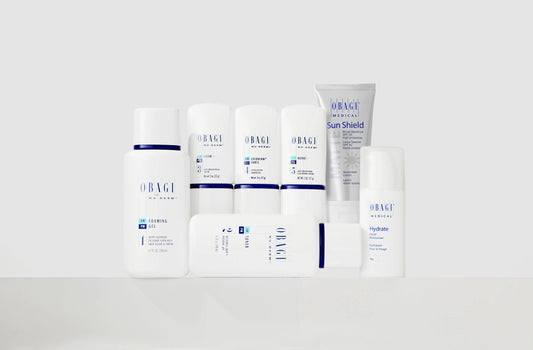
That's why we recommend the Obagi Nu-Derm system as the gold standard for treating stubborn pigmentation. Combined with a expert-selected vitamin C serum, Advanced-Protocol Retinoid, and daily broad-spectrum SPF, this protocol delivers visible, measurable results — typically within 8 to 12 weeks.
The Complete Pigmentation Protocol
Obagi Nu-Derm System + Professional-C Serum + Advanced-Protocol Retinoid + SPF
Book a consultation and purchase the full clinician-prescribed protocol to receive 10% off your entire order. This is the same system used in clinic to treat hyperpigmentation, melasma, and uneven skin tone — now available to use at home under clinician guidance.
Book Free Skin Assessment10% discount applied when purchasing the full protocol after consultation
Clinician's Recommendation
For moderate to severe pigmentation, I recommend the Obagi Nu-Derm system as a complete protocol rather than individual products. It combines a Advanced-Protocol Retinoid with targeted brightening agents that work synergistically. Standalone vitamin C serums can help mild discolouration, but for melasma or persistent dark spots, a systems approach consistently outperforms single-product solutions in my clinical experience.
— Mark Taylor, MSurg, INP, RMN
-
Obagi Nu-Derm Starter System Normal/Oily
Vendor:Obagi MedicalRegular price £600.00 GBPRegular price -
Obagi Nu-Derm Starter System Normal/Dry
Vendor:Obagi MedicalRegular price £600.00 GBPRegular price -
Obagi Nu-Derm Fx System Normal/Oily
Vendor:Obagi MedicalRegular price £565.00 GBPRegular price -
Obagi Nu-Derm Fx System Normal/Dry
Vendor:Obagi MedicalRegular price £565.00 GBPRegular price -
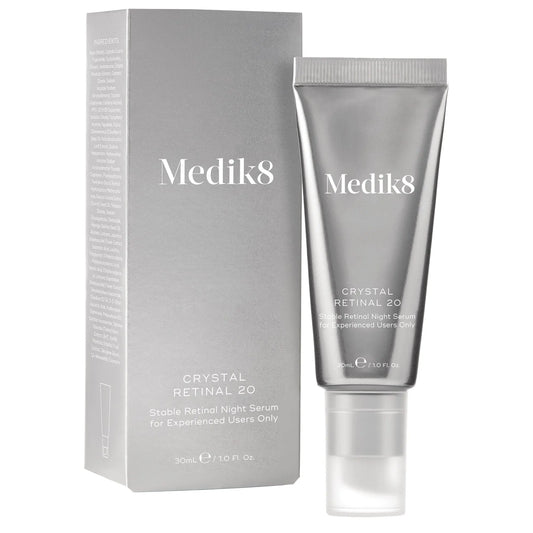
Crystal Retinal 20 30ml
Vendor:Medik8Regular price £99.00 GBPRegular price -
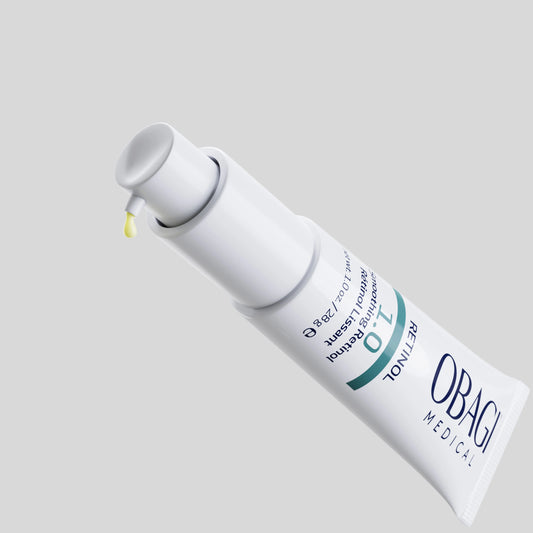
Obagi Retinol 1.0 28g
Vendor:Obagi MedicalRegular price £95.00 GBPRegular price -
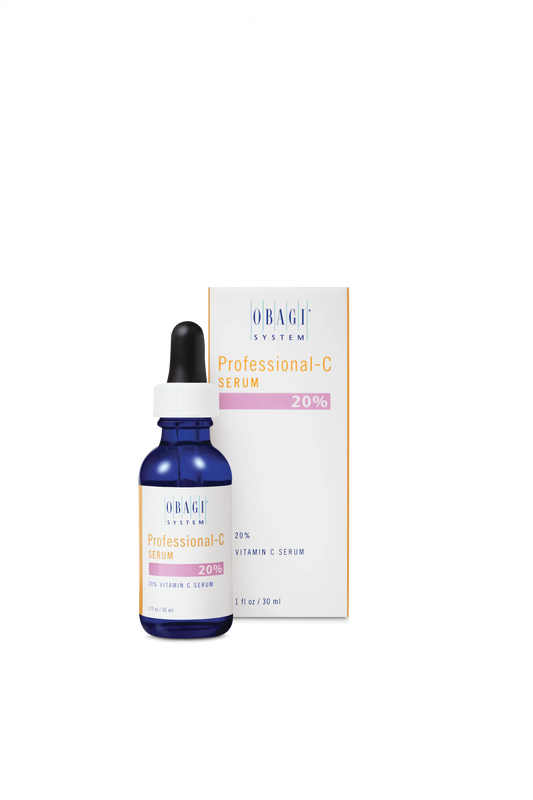
Obagi Professional-C 20% Serum 30ml
Vendor:Obagi MedicalRegular price £170.00 GBPRegular price -
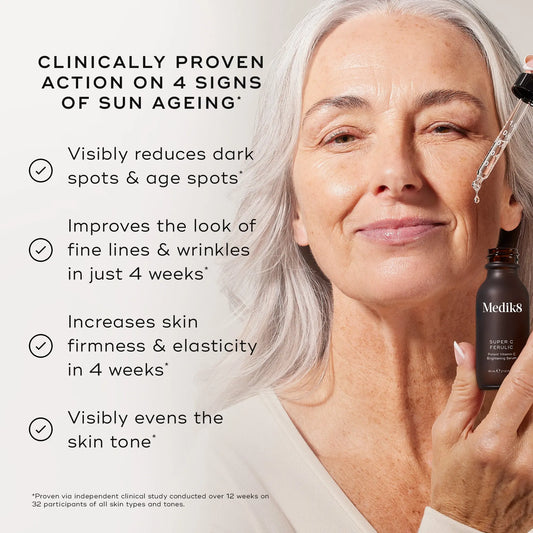
Super C Ferulic 30ml
Vendor:Medik8Regular price £69.00 GBPRegular price -
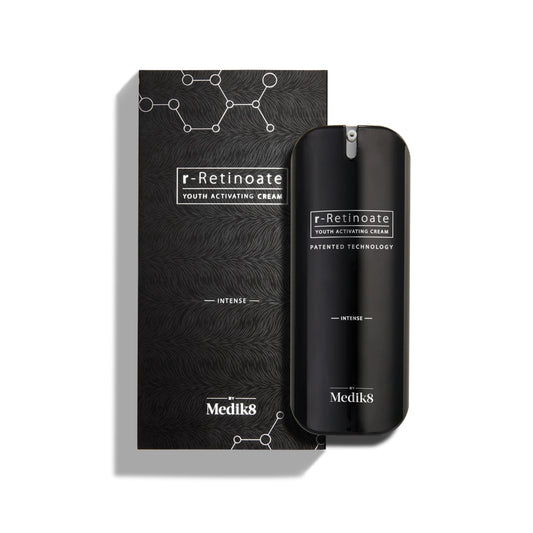
r-Retinoate Intense 50ml
Vendor:Medik8Regular price £229.00 GBPRegular price -
r-Retinoate Day & Night 50ml
Vendor:Medik8Regular price £149.00 GBPRegular price -
Crystal Retinal 24 30ml
Vendor:Medik8Regular price £109.00 GBPRegular price -
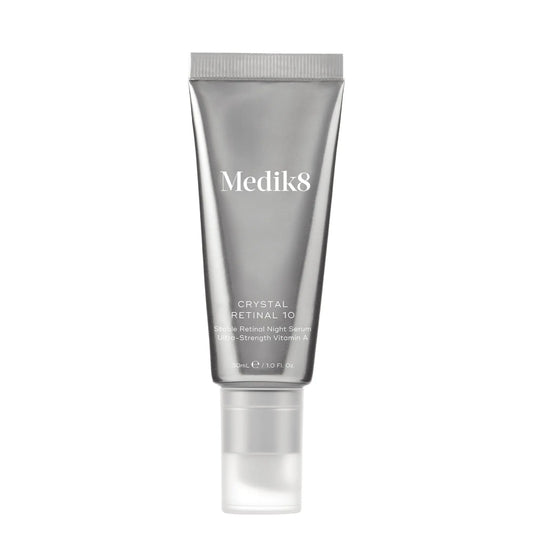
Crystal Retinal 10 30ml
Vendor:Medik8Regular price £89.00 GBPRegular price -
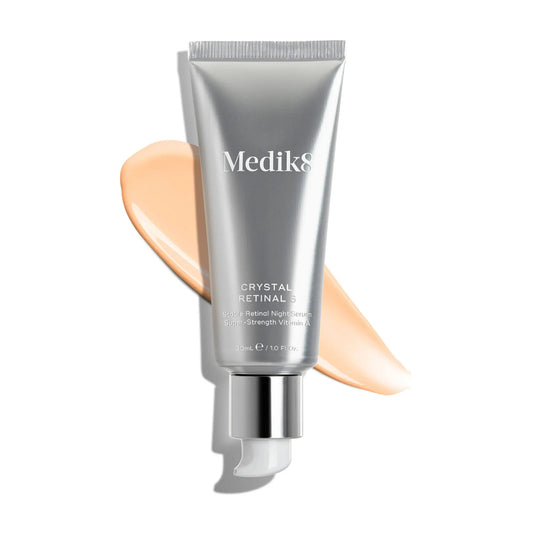
Crystal Retinal 6 30ml
Vendor:Medik8Regular price £69.00 GBPRegular price










Key Ingredients for Treating Pigmentation
-
Vitamin C (L-Ascorbic Acid)
Shop Vitamin CThe most researched brightening antioxidant. Inhibits tyrosinase — the enzyme responsible for melanin production — while neutralising free radical damage from UV exposure. Look for concentrations of 10–20% in a stable, low-pH formula. The Obagi Professional-C Serum delivers 15% pharmaceutical-grade L-ascorbic acid.
-
Advanced-Protocol Retinoid (Vitamin A)
Shop RetinoidsThe gold standard for accelerating cell turnover. Advanced-protocol Advanced-Protocol Retinoid pushes pigmented cells to the surface faster, revealing fresh skin beneath. It also enhances the penetration of other actives in your routine. Available through consultation — this is what separates clinical results from cosmetic ones.
-
Prescription depigmenting agent (Nu-Derm Active)
Prescription depigmenting agent is the most effective topical depigmenting agent available. It works by inhibiting tyrosinase — the enzyme responsible for melanin production — reducing excess pigment at the source. The Obagi Nu-Derm system uses prescription depigmenting agent as its core active ingredient for treating moderate to severe hyperpigmentation and melasma. Niacinamide (vitamin B3) at 5%+ concentrations complements this by reducing melanin transfer and strengthening the skin barrier.
-
Broad-Spectrum SPF 30–50
Shop SPFNon-negotiable for pigmentation. UV exposure is the single biggest trigger for melanin overproduction and will undo every other product in your routine. Wear SPF 30+ daily — even indoors near windows — and reapply every 2 hours in direct sun. Mineral or chemical, the best SPF is the one you'll actually use.
How to Build a Pigmentation Routine
AM: Gentle cleanser → Vitamin C serum (Obagi Professional-C 15%) → Moisturiser → SPF 30–50 (reapply every 2 hours in sun).
PM: Double cleanse → Advanced-Protocol Retinoid (build from 2–3 nights per week) → Obagi Nu-Derm products as directed → Barrier-supporting moisturiser.
Start slowly with Advanced-Protocol Retinoid — mild redness and peeling is normal in weeks 1–4. Most patients see measurable improvement in pigmentation within 8–12 weeks on this protocol.
Frequently Asked Questions About Pigmentation
What causes hyperpigmentation and dark spots?
Hyperpigmentation occurs when melanocytes (pigment-producing cells) become overactive, depositing excess melanin in localised areas. The most common triggers are UV exposure, hormonal changes (melasma, often during pregnancy or from contraceptives), post-inflammatory hyperpigmentation from acne or injury, and natural ageing. All types are worsened by sun exposure, which is why SPF is the cornerstone of any pigmentation protocol.
How long does it take to fade pigmentation?
With a clinician-prescribed protocol including Advanced-Protocol Retinoid, vitamin C, and targeted brightening agents, most patients see measurable improvement in 8–12 weeks. Superficial pigmentation (post-acne marks, sun spots) typically responds faster than deeper melasma. Consistency is critical — skipping SPF or stopping treatment early is the most common reason results plateau. Some stubborn pigmentation may require 4–6 months of sustained treatment.
What is the Obagi Nu-Derm system and how does it work?
Obagi Nu-Derm is a comprehensive skin transformation system designed to correct hyperpigmentation at the cellular level. It combines multiple targeted products — cleansers, toners, brightening agents, and a Advanced-Protocol Retinoid — that work synergistically to suppress melanin production, accelerate cell turnover, and restore even tone. Unlike standalone serums, the system approach ensures every step of the pigmentation pathway is addressed. It's one of the most clinically validated protocols for treating moderate to severe hyperpigmentation and melasma. Browse the full Nu-Derm product range or explore all Obagi systems.
Can I use vitamin C with Advanced-Protocol Retinoid?
Yes — in fact, they complement each other well. Vitamin C (applied in the morning) provides antioxidant protection and brightening, while Advanced-Protocol Retinoid (applied in the evening) accelerates cell turnover. Using them at different times of day avoids any pH interaction issues. This AM/PM split is the foundation of the pigmentation protocol we recommend at Stratum Clinic.
Do I need a consultation for these products?
The over-the-counter products in this collection can be purchased directly. However, Advanced-Protocol Retinoid (which significantly improves results for pigmentation) requires a consultation with our clinician. Consultations are free, take around 15 minutes, and allow us to assess your skin type, severity of pigmentation, and any contraindications before recommending a personalised protocol. Book a free written skin assessment to get started.
Is there a discount for buying the full protocol?
Yes. When you book a consultation and purchase the complete clinician-prescribed pigmentation protocol (Obagi Nu-Derm system, Professional-C Serum, Advanced-Protocol Retinoid, and SPF), you receive 10% off your entire order. This ensures you have everything needed for visible, lasting results — and saves you money compared to buying each product individually.
Not Sure Where to Start?
Two routes, both free. Take our 90-second skin quiz for an instant expert-built routine, or book a consultation with Mark for a conversation first.