
Collection: SPF & Daily Protection
Sunscreen is the single most effective anti-ageing product you can use. Without it, every retinoid, vitamin C, and peptide you apply is fighting a losing battle. These are the SPFs we recommend to our patients — broad-spectrum, cosmetically elegant, designed for daily wear.

The Best Sunscreen for Your Face — Daily SPF Protection
Daily broad-spectrum SPF is the single most important product in any skincare routine. UV exposure is the primary driver of premature ageing, pigmentation, and skin damage — and it doesn't stop on cloudy days or through windows. Without adequate sun protection, every serum, retinoid, and treatment in your routine is working against an avoidable force.
The best sunscreen is one you'll actually wear every day. That means a formula that sits well under makeup, doesn't leave a white cast, and feels comfortable on your skin type. Our clinician selects SPF products that meet expert-selected protection standards while being genuinely pleasant to use — because compliance is everything.
Clinician's Recommendation
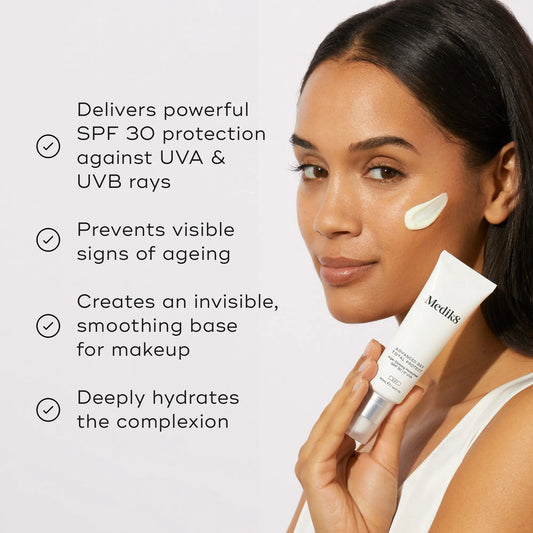
I tell every patient the same thing: if you're only going to use one skincare product, make it SPF. Medik8's Advanced Day Total Protect is my daily recommendation — it combines SPF 30 with antioxidant protection and works beautifully under makeup. For patients on Advanced-Protocol Retinoid or recovering from treatments, I prefer a mineral-based SPF 50 for maximum protection with minimal irritation risk. The key is finding one you'll wear consistently — that's what makes the difference.
— Mark Taylor, MSurg, INP, RMN
-
Medik8 Advanced Day Total Protect SPF30 50ml
Vendor:Medik8Regular price £57.00 GBPRegular price -
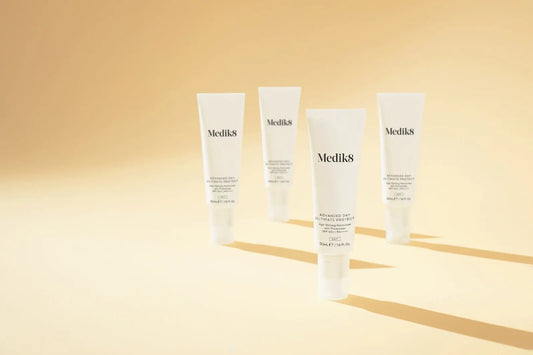
Medik8 Advanced Day Ultimate Protect SPF50+ 50ml
Vendor:Medik8Regular price £59.00 GBPRegular price -
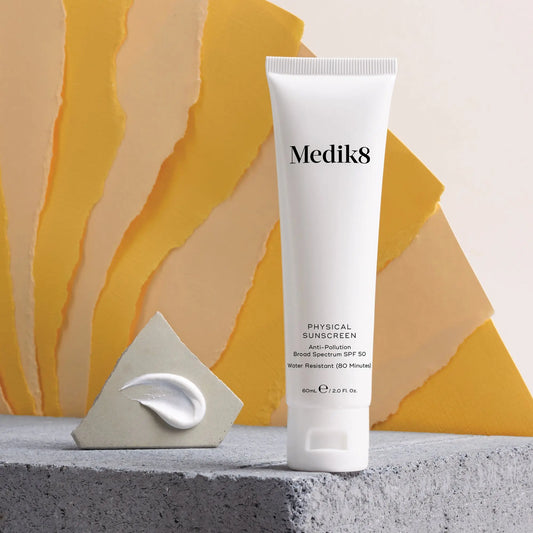
Medik8 Physical Sunscreen SPF50+ 60ml
Vendor:Medik8Regular price £39.00 GBPRegular price -
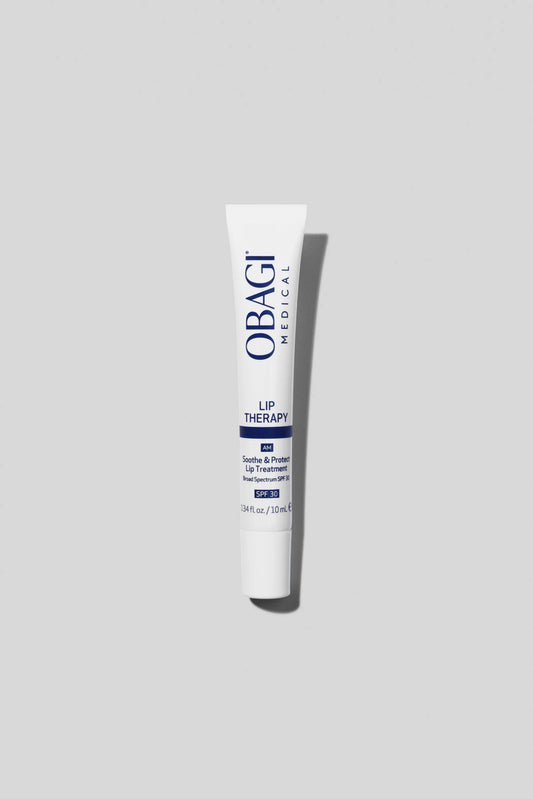
Obagi Lip Therapy Soothe & Protect SPF30
Vendor:Obagi MedicalRegular price £40.00 GBPRegular price£40.00 GBPSale price £40.00 GBP -
Obagi Sun Shield Mineral SPF50 85g
Vendor:Obagi MedicalRegular price £75.00 GBPRegular price






Understanding SPF Ingredients
-
Mineral Filters (Zinc Oxide & Titanium Dioxide)
Mineral (physical) sunscreens sit on top of the skin and reflect UV rays. Zinc oxide provides the broadest spectrum protection of any single filter, covering both UVA and UVB. Mineral formulas are generally better tolerated by sensitive, rosacea-prone, and post-treatment skin. Modern formulations have largely solved the white cast issue.
-
Chemical Filters (Modern UV Absorbers)
Chemical sunscreens absorb UV radiation and convert it to heat. Modern filters like Tinosorb S, Tinosorb M, and Uvinul A Plus offer excellent broad-spectrum protection with elegant, lightweight textures that layer well under makeup. They tend to be more cosmetically elegant than mineral alternatives, which is why many patients prefer them for daily use.
-
Antioxidants (Vitamin C & E)
SPF alone blocks the majority of UV damage, but no sunscreen filters 100% of rays. Antioxidants like vitamin C and vitamin E neutralise the free radicals generated by the UV that gets through. The best daily SPF products combine UV filters with antioxidant protection for comprehensive defence against photoageing and pigmentation.
How to Use SPF Properly
How much: Apply a generous amount — approximately a two-finger-length strip for your face and neck. Most people under-apply by 50%, which dramatically reduces protection.
When: Apply as the last step of your morning skincare routine, after vitamin C serum and moisturiser, and before makeup. Both chemical and mineral sunscreens are effective immediately upon application.
Reapplication: Reapply every 2 hours during direct sun exposure, or after swimming, sweating, or towelling off. If you're indoors all day with minimal window exposure, morning application is sufficient.
Frequently Asked Questions About SPF & Sun Protection
What is the difference between SPF 30 and SPF 50?
SPF 30 blocks approximately 97% of UVB rays, while SPF 50 blocks about 98%. The difference in protection is small, but SPF 50 offers a slightly larger margin of error if you under-apply (which most people do). For daily use, SPF 30 is perfectly adequate if applied generously. For prolonged outdoor exposure, post-treatment skin, or pigmentation-prone patients, SPF 50 provides extra assurance.
Should I use mineral or chemical sunscreen?
Both provide effective protection. Mineral sunscreens (zinc oxide, titanium dioxide) are generally preferred for sensitive or rosacea-prone skin, or post-treatment skin, as they're less likely to cause irritation. Chemical sunscreens offer more elegant, lightweight textures that sit better under makeup. For most people, the best sunscreen is whichever one you'll wear every day without fail. Our clinician can help you choose based on your skin type and routine.
Do I need SPF if I work indoors?
Yes. UVA rays penetrate windows and are the primary driver of photoageing and pigmentation. If you sit near a window, drive regularly, or spend any time outdoors (even walking to your car), your skin is being exposed to UV. Daily SPF application in the morning is recommended for everyone, regardless of how much time you spend outdoors. This is especially important if you're using retinoids or brightening products, which can increase UV sensitivity.
Can SPF cause breakouts?
Some sunscreens can clog pores or cause breakouts, particularly heavy, oil-based formulas. Look for non-comedogenic, oil-free formulations designed for the face. Lightweight chemical sunscreens and modern mineral formulas are generally well tolerated by acne-prone skin. If you're experiencing breakouts from your current SPF, a formula change — not dropping SPF entirely — is the answer. Browse our acne treatments collection for products that pair well with daily SPF.
How often should I reapply sunscreen?
Reapply every 2 hours during direct sun exposure, and immediately after swimming, sweating, or towelling off. For office workers with minimal sun exposure, a single generous morning application is usually sufficient. If you wear makeup, SPF setting sprays or powder SPF products can help with reapplication without disturbing your makeup — though they should supplement, not replace, your morning liquid SPF.
Not Sure Where to Start?
Two routes, both free. Take our 90-second skin quiz for an instant expert-built routine, or book a consultation with Mark for a conversation first.