
Obagi SPF — Medical-Grade Sun Protection for Active Skin
Sunscreen is the single most important step in any skincare routine — yet not all SPFs are created equal. Obagi Medical's Sun Shield range uses mineral-based formulations with zinc oxide and titanium dioxide to provide broad-spectrum UVA and UVB protection without the irritation, white cast, or chemical sensitivity that many patients experience with conventional sunscreens. When you are investing in active treatments like Advanced-Protocol Retinoid, vitamin C, or prescription depigmenting agent, expert-selected SPF is not optional — it is essential to protect your results and prevent further photodamage.
As an Independent Nurse Prescriber, I include SPF as a non-negotiable part of every treatment protocol I build. Patients using retinoids, chemical exfoliants, or pigmentation treatments are especially vulnerable to UV-induced damage and rebound hyperpigmentation without adequate daily sun protection. Obagi Sun Shield is my preferred recommendation because its mineral filters sit on the skin's surface to physically deflect UV rays, making it suitable for even the most sensitised, post-treatment skin. It is cosmetically elegant, layers well under makeup, and delivers the level of protection that a clinical skincare regimen demands.
SPF + Active Treatment Daily Defence Protocol
Pair Obagi Sun Shield with your prescription actives for a complete daily defence routine. Whether you are using Advanced-Protocol Retinoid, vitamin C, or a pigmentation protocol, proper SPF is the critical final step that protects your investment and prevents UV-driven setbacks.
Not sure which SPF works best with your current treatment? Book a complimentary consultation and we will integrate the right sun protection into your regimen.
Book Your Free Skin AssessmentClinician's Pick — Mark Taylor, MSurg, INP, RMN
My daily recommendation: Obagi Sun Shield Mineral Broad Spectrum SPF 50 is my go-to for virtually every patient. Its 100% mineral formulation (zinc oxide and titanium dioxide) provides reliable, broad-spectrum protection without chemical filters that can irritate sensitised or treatment-active skin. It is particularly important for patients on Advanced-Protocol Retinoid or vitamin C protocols, where UV exposure can undo weeks of progress or trigger rebound pigmentation.
The texture is lightweight enough for daily wear, sits well under makeup, and does not leave the heavy white cast that puts many people off mineral sunscreens. I recommend it as the final step in every morning routine — no exceptions.
-
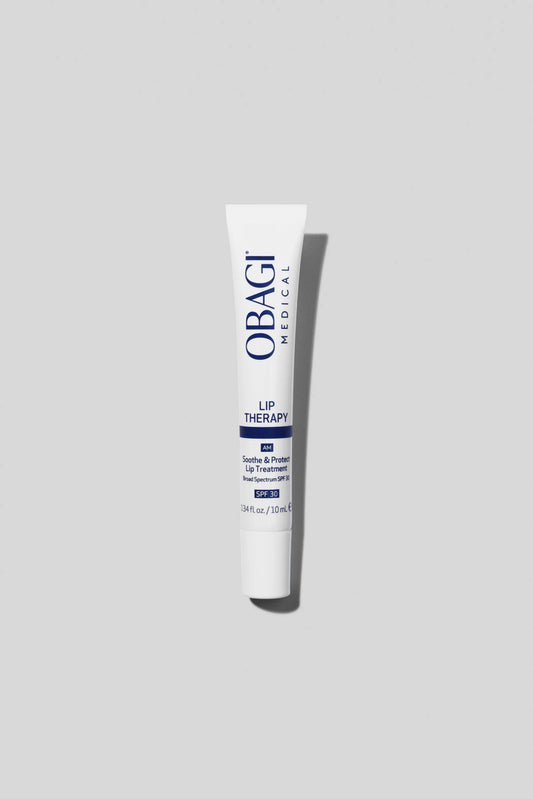
Obagi Lip Therapy Soothe & Protect SPF30
Regular price £40.00 GBPRegular price£40.00 GBPSale price £40.00 GBP -
Obagi Sun Shield Mineral SPF50 85g
Regular price £75.00 GBPRegular price



Key Ingredients & Technologies
How and When to Apply SPF Correctly
AM Routine — SPF is always the last step:
Step 1 — Cleanse: Wash with a gentle cleanser.
Step 2 — Actives: Apply your morning active (vitamin C serum or other treatment).
Step 3 — Moisturise: Apply your hydrating moisturiser and allow it to absorb.
Step 4 — SPF: Apply Obagi Sun Shield generously as the final skincare step, before makeup. Use approximately half a teaspoon for the face and neck — most people underapply by 50% or more.
Reapplication: Reapply every 2 hours during direct or prolonged sun exposure. If you are indoors all day with minimal window exposure, a single morning application is generally sufficient — but reapply before heading outside. Mineral SPF provides protection immediately on application with no wait time required.
SPF & Sun Protection — Frequently Asked Questions
What is the difference between chemical and mineral SPF?
Chemical sunscreens (containing ingredients like oxybenzone or avobenzone) absorb UV radiation and convert it to heat within the skin. Mineral sunscreens use zinc oxide and titanium dioxide to physically sit on the skin's surface and deflect UV rays before they penetrate. Mineral formulations are less likely to cause irritation, stinging, or allergic reactions, which is why they are preferred for sensitive skin, rosacea-prone skin, and skin undergoing active clinical treatments like Advanced-Protocol Retinoid or retinoids or chemical peels.
How much SPF should I apply to my face?
You need approximately half a teaspoon (around 1.25ml) for the face and neck combined. Most people apply only 25–50% of the amount needed to achieve the labelled SPF rating, which means an SPF 50 product may only deliver SPF 15–25 in practice. Be generous — apply in two layers if needed. If you are using a dedicated SPF product like Obagi Sun Shield, it should feel like a noticeable layer on the skin, not a thin afterthought.
Do I need to wear SPF indoors?
If you sit near windows, yes. UVA rays penetrate glass and are the primary driver of photoageing and pigmentation. If you work from home near a window or spend time in a conservatory, you are receiving meaningful UV exposure. For patients on pigmentation protocols or Advanced-Protocol Retinoid, I recommend applying SPF every morning regardless of plans — it takes 30 seconds and protects weeks of treatment progress.
Can I wear Obagi Sun Shield under makeup?
Yes — Obagi Sun Shield Mineral SPF 50 is formulated to layer smoothly under makeup. Allow it one to two minutes to set after application, then apply your primer or foundation as normal. The mineral formula provides a slightly mattifying base that many patients find actually improves makeup adherence. Avoid rubbing or buffing aggressively when applying makeup over SPF, as this can displace the sunscreen layer.
Why should I use a expert-selected SPF instead of a high-street sunscreen?
Expert-selected SPFs like Obagi Sun Shield are formulated to stricter standards with higher concentrations of active mineral filters, superior photostability, and cosmetic elegance that encourages daily compliance. High-street sunscreens often use chemical filters that can irritate sensitised or treatment-active skin, and their formulations may not be tested alongside prescription actives. If you are investing in clinical skincare — retinoids, vitamin C, acne treatments — using an SPF that is engineered to complement those products is essential for protecting both your skin and your investment.
How often should I reapply sunscreen during the day?
Reapply every 2 hours during direct, prolonged, or outdoor sun exposure — this includes walking, commuting, or sitting in a garden. If you are indoors with minimal window exposure, a single generous morning application is sufficient for most of the day. After swimming, sweating, or towel-drying, reapply immediately regardless of the time elapsed. Mineral SPFs like Obagi Sun Shield work instantly on application — there is no 20-minute wait required as with some chemical sunscreens.
Not Sure Where to Start?
Two routes, both free. Take our 90-second skin quiz for an instant expert-built routine, or book a consultation with Mark for a conversation first.