
Collection: Sensitivity, Rosacea & Barrier Repair
A compromised skin barrier leads to sensitivity, dehydration, stinging, and reduced efficacy of every other product you use. The routines here are chosen for redness-prone, reactive and post-procedure skin — formulations that restore lipid integrity, calm visible irritation, and rebuild the foundation of healthy skin.
If you suspect rosacea or persistent redness, start with a free written skin assessment — Mark Taylor (Independent Nurse Prescriber, NMC PIN 07H3019E) will return a written routine within 24–48 hours.

The Best Products for Sensitive Skin, Rosacea & Barrier Repair
Sensitive skin, rosacea, and chronic dryness all share a common root cause: a compromised skin barrier. When this outermost protective layer is weakened — by over-exfoliation, harsh cleansers, rosacea flares, retinoid adjustment, or environmental stress — water escapes faster than your skin can replace it, and irritants penetrate more easily. The result is tightness, redness, stinging, flaking, and heightened reactivity to products that shouldn't cause problems.
Effective treatment goes beyond a basic moisturiser. The best approach for sensitive and rosacea-prone skin combines gentle cleansing, humectants (to draw water into the skin), ceramides (to rebuild the barrier lipid matrix), calming anti-inflammatories, and daily mineral SPF. Our clinician selects products that restore barrier function without triggering further irritation — so your skin can heal, stay hydrated, and tolerate active treatments when the time is right. For dedicated barrier-repair products, see our Sensitivity & Rosacea collection, or browse Obagi Hydration for medical-grade moisturisers.
Clinician's Recommendation
Whether you're dealing with rosacea, reactive skin, or barrier damage from overusing actives, the approach is the same: strip back, repair, protect. I recommend a gentle cream or milk cleanser (never foaming), a ceramide-rich moisturiser, and a mineral SPF that won't trigger flushing. For rosacea-prone skin specifically, look for products with niacinamide and avoid fragrance, alcohol, and harsh exfoliants. Once the barrier is intact — which usually takes 4–6 weeks — we can carefully introduce targeted actives. Trying to treat other concerns on compromised skin is counterproductive.
— Mark Taylor, MSurg, INP, RMN
-
Obagi Rebalance Skin Barrier Repair Cream 48g
Vendor:Obagi MedicalRegular price £100.00 GBPRegular price -
Obagi Daily Hydro-Drops Rejuvenating Eye Gel Cream 15ml
Vendor:Obagi MedicalRegular price £75.00 GBPRegular price -
Obagi Daily Hydro-Drops Facial Serum 30ml
Vendor:Obagi MedicalRegular price £100.00 GBPRegular price -
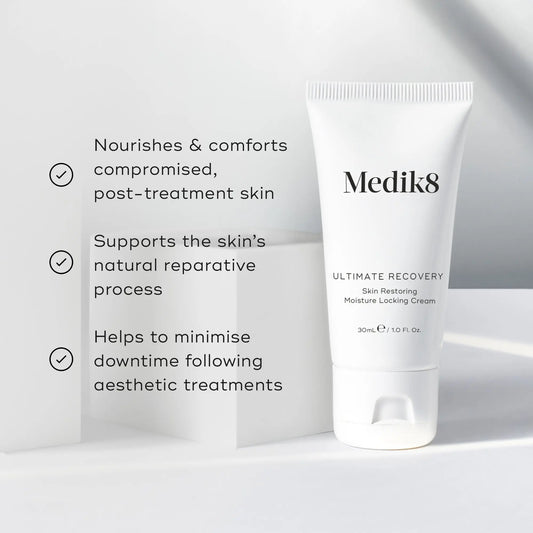
Medik8 Ultimate Recovery 30ml
Vendor:Medik8Regular price £39.00 GBPRegular price -
Medik8 Total Moisture Daily Facial Cream 50ml
Vendor:Medik8Regular price £48.00 GBPRegular price -
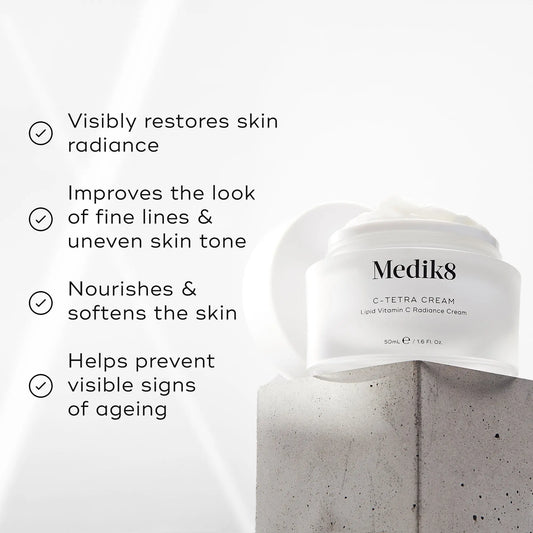
Medik8 C-Tetra Cream 50ml
Vendor:Medik8Regular price £55.00 GBPRegular price -
Obagi Hydrate Light Weightless Gel Cream 50ml
Vendor:Obagi MedicalRegular price £60.00 GBPRegular price -
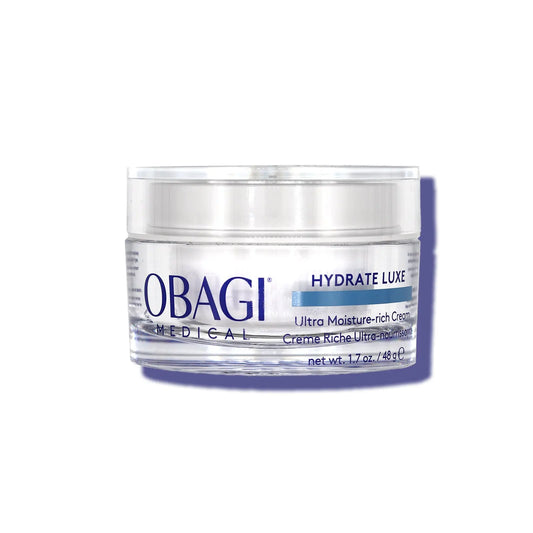
Obagi Hydrate Luxe 48g
Vendor:Obagi MedicalRegular price £80.00 GBPRegular price -
Obagi Hydrate 48g
Vendor:Obagi MedicalRegular price £65.00 GBPRegular price -
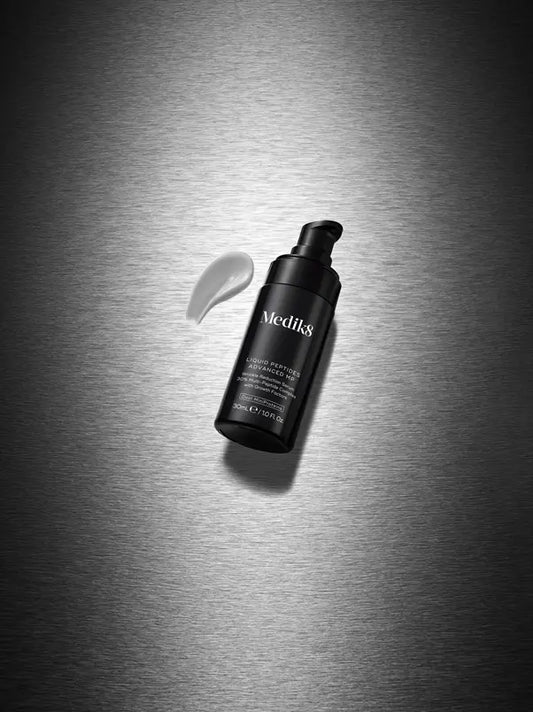
Liquid Peptides Advanced MP
Vendor:Medik8Regular price £79.00 GBPRegular price









Key Ingredients for Sensitive Skin & Barrier Repair
-
Hyaluronic Acid
The most effective humectant in skincare. Hyaluronic acid holds up to 1000x its weight in water, drawing moisture from the environment into the skin. Multi-weight formulations (combining low, medium, and high molecular weight HA) penetrate to different depths for hydration that goes beyond the surface. Apply to damp skin for maximum effect.
-
Ceramides
Ceramides are lipids that make up over 50% of your skin barrier. When this barrier is damaged, ceramide levels drop, leading to water loss and sensitivity. Topical ceramide formulations (especially those combining ceramide NP, AP, and EOP with cholesterol and fatty acids) help rebuild the lipid matrix, restoring barrier integrity and reducing transepidermal water loss.
-
Niacinamide (Vitamin B3)
At 5%+ concentrations, niacinamide strengthens the skin barrier by boosting ceramide production, reduces redness, and helps regulate oil production. It's one of the most versatile and well-tolerated active ingredients — suitable for all skin types including sensitive and acne-prone. Works well alongside hyaluronic acid and retinoids.
-
Centella Asiatica & Calming Actives
Centella asiatica (cica) is one of the most researched anti-inflammatory botanicals in skincare. It promotes wound healing, reduces redness, and strengthens the skin barrier. Combined with other calming ingredients like allantoin, bisabolol, and panthenol (vitamin B5), these actives soothe reactive and rosacea-prone skin without the irritation risk of stronger treatments. Ideal for daily use alongside ceramides and SPF.
How to Build a Routine for Sensitive or Rosacea-Prone Skin
AM: Gentle cream or milk cleanser (no foaming formulas) → Hyaluronic acid serum (on damp skin) → Niacinamide serum → Ceramide-rich moisturiser → Mineral SPF 30–50 (less likely to trigger flushing than chemical filters).
PM: Micellar water or gentle balm cleanser → Calming serum (centella, panthenol) → Barrier repair moisturiser or sleeping mask. Avoid exfoliating acids, retinoids, and vitamin C until redness and reactivity have fully settled.
Key rule: Less is more. If your skin is reactive, strip back to 3 products — gentle cleanser, ceramide moisturiser, and mineral SPF — for 4–6 weeks. Reintroduce one product at a time, once per week, to identify triggers.
Frequently Asked Questions About Sensitive Skin, Rosacea & Barrier Repair
What causes sensitive skin and rosacea?
Sensitive skin can be genetic (a naturally thinner or more reactive barrier) or acquired through over-exfoliation, harsh products, or environmental damage. Rosacea is a chronic inflammatory condition characterised by persistent facial redness, visible blood vessels, and sometimes papules or pustules — most commonly affecting the cheeks, nose, and forehead. Both conditions share a compromised skin barrier as a key factor, which is why barrier repair is the foundation of treatment. Common triggers for rosacea flares include UV exposure, temperature extremes, alcohol, spicy food, and irritating skincare ingredients like fragrance and alcohol.
What is the skin barrier and why does it matter?
The skin barrier (stratum corneum) is the outermost layer of your skin. It's made up of dead skin cells held together by a lipid matrix of ceramides, cholesterol, and fatty acids. When intact, it keeps moisture in and irritants, bacteria, and allergens out. When damaged — by over-exfoliation, harsh cleansers, retinoid use, or environmental stress — it allows water to escape (transepidermal water loss) and becomes more reactive to products. For sensitive and rosacea-prone skin, a healthy barrier is non-negotiable — it's the first step to reducing redness, reactivity, and irritation.
How long does it take to repair a damaged skin barrier?
With the right products and a simplified routine, most people notice improvement in 2–4 weeks. Full barrier recovery can take 4–8 weeks depending on the severity of damage. During this time, avoid exfoliating acids, retinoids, vitamin C, and fragranced products. Focus on gentle cleansing, ceramide-rich moisturisers, and mineral SPF. Once the barrier is restored, you can gradually reintroduce active treatments — one product at a time, once per week.
Should I use mineral or chemical SPF for rosacea?
Mineral SPF (zinc oxide and titanium dioxide) is generally the better choice for rosacea-prone and sensitive skin. Mineral filters sit on top of the skin and reflect UV rather than absorbing it, which means less heat generation and less potential for irritation. Some chemical UV filters can trigger flushing or stinging in reactive skin. Look for fragrance-free, mineral-based SPF 30–50 formulations. UV exposure is one of the biggest triggers for rosacea flares, so daily SPF is essential — not optional.
Can I use retinoids if I have rosacea or sensitive skin?
Yes, but timing and product choice matter. Retinoids should only be introduced once the barrier is fully repaired and redness has settled — which typically takes 4–8 weeks of barrier-focused care. Start with the gentlest retinoid available (such as Medik8 Crystal Retinal 1), use it only 1–2 nights per week, and always buffer with a ceramide moisturiser. If your skin tolerates it well, gradually increase frequency. Our clinician can advise on the right entry point for your skin.
What ingredients should I avoid with sensitive or rosacea-prone skin?
Avoid fragrance (including natural essential oils), denatured alcohol, witch hazel, menthol, eucalyptus, harsh sulphate cleansers (SLS/SLES), and high-concentration exfoliating acids (glycolic, salicylic) until your barrier is repaired. Foaming cleansers tend to be more stripping than cream or milk formulas. When in doubt, fewer products with fewer ingredients is always safer. Our clinician can review your current routine and identify potential triggers in a free written skin assessment.
Not Sure Where to Start?
Two routes, both free. Take our 90-second skin quiz for an instant expert-built routine, or book a consultation with Mark for a conversation first.